Stop Ignoring Your Trees: They’re Trying to Tell You Something
Most homeowners don’t think about their trees. Not really. They notice them when a branch comes down on the fence. Or when a limb is suddenly hanging three feet from the eaves. By that point, things have already gotten out of hand.
Tree trimming Ottawa Ontario homeowners actually prioritize isn’t just about keeping things tidy. It’s about safety. Property protection. Keeping trees alive long enough to actually be worth something. And yet, it’s probably the most skipped item on any home maintenance list.
The “It’s Still Standing” Trap
A lot of people look at a tree, see it’s upright, and move on. Makes sense. It looks fine. But trees don’t announce problems the way other things do. A busted pipe is obvious. A cracked driveway you can see. A tree with internal rot, bark disease, or two main stems pressing against each other? That goes unnoticed for years. Sometimes until a storm makes it impossible to ignore. Overgrown tree maintenance isn’t cosmetic work. Left alone, branches rub together and open wounds. Deadwood piles up. The weight distribution gets weird. And then one February ice storm later, you’ve got a real mess on your hands.
What Tree Pruning Services Are Actually Doing
Worth clearing up. Tree pruning services aren’t just “cut the branches that look bad.” Proper pruning is a specific skill. It shapes how the tree grows going forward and those decisions have consequences years down the line.
Here’s what a proper pruning job is actually addressing:
- Structure. Arborists look for branches with weak attachment points, co-dominant stems (two trunks fighting for dominance), and growth patterns that increase failure risk.
- Airflow. Crowded canopies hold moisture and invite fungal problems. Tree canopy management thinning things out helps the whole tree breathe better.
- Dead stuff. Deadwood falls. Sometimes with no warning. Tree branch removal of dead or dying limbs is basic hazard reduction. Not optional.
- Direction. Tree shaping services redirect growth away from rooflines, power lines, and neighbouring lots. Easier to fix early. Much harder once a tree’s already grown into a problem.
That’s why residential tree trimming every year or two actually saves money. Small corrections now beat major surgery later.
Storm Damage Prevention: Before the Storm, Not After
Ottawa gets hammered. Ice in November. Heavy snow in January. Windstorms in April. Anyone who’s been here a while has seen what a bad storm does to unprepared trees.
- Storm damage prevention is honestly one of the strongest arguments for keeping up with trimming. Safe tree trimming by someone who knows what they’re doing removes the branches most likely to fail under load. Before the storm. Not during.
Emergency removal after damage? Way more expensive. And that’s before counting the fence, the car, the siding, whatever else was underneath.
- Local tree experts Ottawa homeowners actually trust aren’t just there to cut things. They know which species fail in which ways. They know what Ottawa winters do to certain root systems. That regional knowledge is worth something.
Timing Matters More Than Most People Think
- Seasonal tree care isn’t complicated, but it does matter. Late winter into early spring before the buds break is the sweet spot for most deciduous trees. Dormant trees close wounds faster once growth kicks back in. No foliage means easier inspection. For mature tree care, this window also reduces the stress on older trees that don’t bounce back as easily.
- Summer trimming is fine for light work. Deadwood removal, minor shaping. But heavy cuts in summer stress a tree that’s already working hard. Fall is where people mess up. Fresh cuts in autumn attract insects and fungal spores that are active right then. A very common mistake. One that professional tree cutting specialists bring up constantly and for good reason.
Backyard Trees Get Forgotten
Out of sight, out of mind. The backyard trees don’t face the street, nobody really looks at them, so they just… get left.
- Backyard tree maintenance matters at least as much as the front. Sometimes more. Backyard trees tend to be closer to the house, garage, shed, back fence. They’re in more contact with structures. And they’re less likely to get looked at until something’s already going wrong.
- An unmanaged backyard tree can slowly work against a fence line. Drop debris into gutters year after year. Develop a lean toward the house that gets worse every season. Professional tree cutting catches and corrects that stuff early.
Older Trees: More Work, Not Less
There’s this idea that an old tree has basically proven itself. It’s been there 40 years, it’ll be fine.
- Not quite. Mature tree care is actually more involved than maintaining younger trees. Old trees carry more deadwood. Their root systems deal with decades of soil compaction, construction nearby, drainage shifts. There’s often hidden decay in the trunk or major limbs that don’t show on the surface.
- Targeted tree pruning services on mature trees extend their lives significantly. In Ottawa, a big, healthy shade tree adds real value to a property. That’s worth maintaining. Letting it go is a slow, avoidable loss.
What Hiring the Right People Looks Like
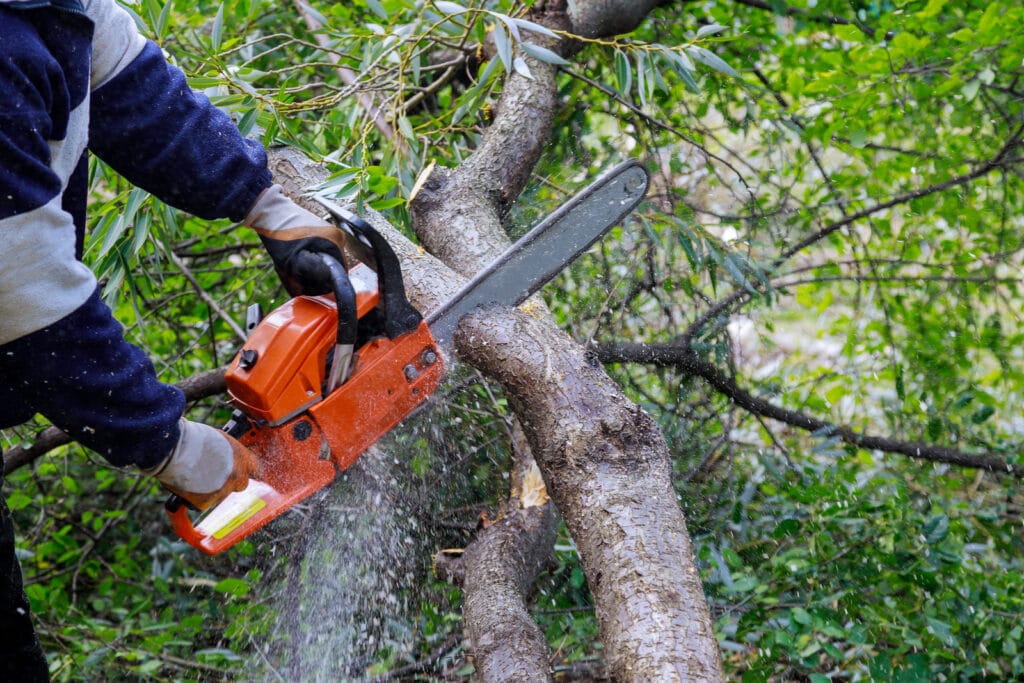
- Local tree experts Ottawa homeowners should actually be looking for aren’t just guys with saws. A proper residential tree trimming crew assesses the tree before anything gets cut. They explain the work. They use the right equipment. They clean up when they’re done.
- Safe tree trimming near power lines involves specific clearance protocols. Rigging work so branches land where they’re supposed to. Knowing when a job needs a permit or utility notification before it starts.
- Ask about ISA certification. The International Society of Arboriculture certifies arborists who’ve actually been trained in tree health and safety. Matters a lot when someone’s 25 feet up working near your roof.
FAQs: Tree Trimming in Ottawa Ontario
What time of year is best for tree trimming in Ottawa?
Late winter to early spring is the sweet spot right before new growth starts. Trees are dormant, wounds heal faster, and structural problems are easier to see without leaves in the way. Light pruning in summer is fine. Fall is generally best avoided, since fresh cuts attract insects and fungal spores that are most active then.
Can tree trimming help prevent storm damage?
Yes, and it's one of the main reasons to stay on top of it. Removing deadwood, crossing branches, and weak stems before storm season reduces the chance of failure significantly. Ottawa winters are hard on trees. A properly trimmed tree handles wind and ice load better and is less likely to put a branch through something below it.
Is tree pruning different from tree trimming?
Technically yes, though most people use them interchangeably. Trimming is usually about shape and clearance cutting back for aesthetics or to keep things away from structures. Pruning is more focused on tree health: removing dead, diseased, or structurally risky wood. In practice, a good professional job involves both.
Is tree trimming necessary for older trees?
More so than for younger ones, honestly. Mature trees accumulate deadwood, may have hidden internal decay, and are slower to recover from neglect. Regular trimming and inspection extends their lifespan and keeps them from becoming a hazard. Skipping maintenance on old trees is one of the more expensive mistakes property owners make usually discovered after a storm.
