The Pile Isn’t Going to Move Itself
There’s always a moment when a property goes from “needs some work” to “this is actually a problem.” A backyard stacked with storm-downed branches. A driveway blocked by renovation rubble. A commercial lot with months of accumulated waste that nobody’s dealt with. It adds up fast. Professional debris removal companies exist for exactly this situation. Not just to haul stuff away though that’s part of it but to handle the logistics, the heavy lifting, and the disposal that most property owners genuinely don’t have the time or equipment to manage themselves. This post breaks down what these companies actually do, when to call one, and what to look for when hiring.
What Debris Removal Actually Covers
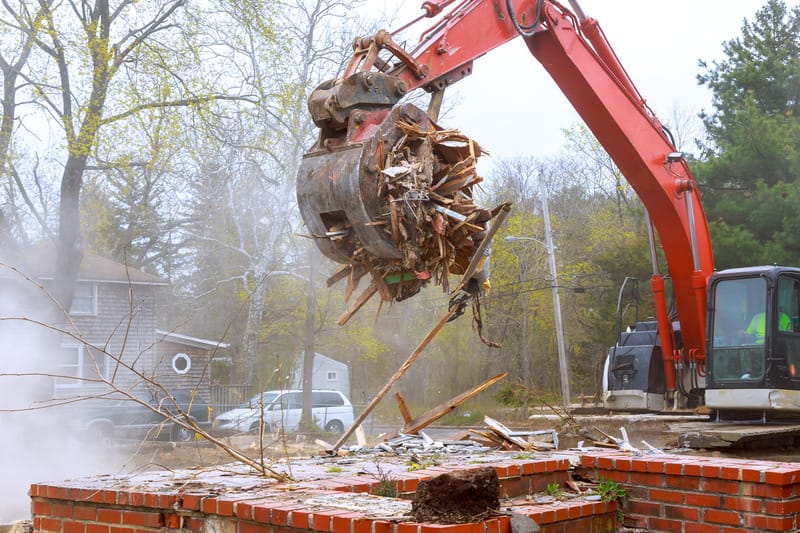
Worth clarifying upfront. The term “debris removal” covers a lot of ground. Junk and debris removal includes general unwanted material broken furniture, old appliances, mixed waste that’s accumulated over time. Construction debris cleanup is a specific category: drywall scraps, concrete, lumber offcuts, roofing material, flooring waste. Different types of jobs. Often heavier, bulkier, and requiring specific disposal methods. Then there’s yard waste removal branches, leaves, stumps, brush piles, soil, sod. And storm debris cleanup, which tends to be urgent and can involve downed trees, scattered roofing material, broken fencing, and waterlogged materials. All of these fall under what debris removal companies handle. Some specialize. Some do all of it. Knowing which type of debris is involved helps narrow down who to call.
Storm Debris: When It Can’t Wait
This is where the urgency piece comes in.
- A bad storm can leave a property in rough shape overnight. Downed branches blocking access. Debris against the foundation. Material scattered across driveways, decks, and yards. Storm debris cleanup isn’t just about aesthetics, it’s a safety issue. Wet debris against a structure accelerates rot. Piled material near HVAC units, vents, or drainage creates problems fast.
- Emergency debris cleanup services are offered by many companies specifically for post-storm situations. Same-day or next-day response. It costs more than scheduled work, usually. But the alternative of leaving storm damage unaddressed for days tends to create more expensive problems down the line.
Truth be told, a lot of property damage after storms isn’t from the storm itself. It’s from delayed cleanup.
Renovation Waste: The Overlooked Logistics Problem
Renovations generate a staggering amount of waste. Most homeowners and even some contractors underestimate it.
- Renovation cleanup services handle what’s left after the work is done or during the work, on an ongoing basis. Demo material, packaging, old fixtures, tile and grout, subfloor sections. It accumulates faster than expected and slows down the actual work if it’s not being moved.
- Construction debris cleanup companies often work on a scheduled basis during larger projects. Regular pickups so the site stays clear. Or a single final haul once the job is wrapped up. Either way, they’re equipped for heavy, mixed loads that a standard garbage service won’t touch.
Let’s face it, stacking renovation waste on the curb and hoping the city takes it isn’t a plan. And renting a dumpster for a small job often means paying for way more capacity than needed, dealing with permits, and handling the sorting yourself anyway.
Yard and Outdoor Waste: More Than Just Bagged Leaves
- Outdoor waste removal is a seasonal reality for most property owners. Spring cleanups. Post-trim branch piles. Fall leaf volumes that go way beyond what fits in a few bags.
- Yard waste removal services pick up what the regular green bin program can’t handle. Large brush piles. Tree limbs after a trimming job. Old sod from a landscaping project. Soil and mulch. The kind of stuff that’s technically organic but absolutely not something a standard curbside pickup is designed for. For properties with mature trees, this is a recurring need. After all, a single tree trimming job can leave behind more branch volume than most homeowners expect.
- Bulk debris pickup services are particularly useful here. Scheduled, efficient, and handled without the homeowner needing to break everything down to some arbitrary size limit.
Commercial Properties: Different Scale, Same Problems
Commercial debris removal is its own category. And it’s not just about volume, though volume is part of it.
- Commercial and industrial properties deal with specific material types: pallets, packaging waste, construction byproducts, and site clearing material. Property cleanup contractors working in commercial environments need to understand waste classification, disposal regulations, and site safety protocols in ways that a general hauling crew might not.
- Site cleanup services on commercial properties often run on tight timelines too. A retail renovation that needs to be done before reopening. A warehouse being cleared for a new tenant. Commercial debris removal companies that work regularly in these environments know how to move fast without cutting corners on disposal.
- Waste hauling companies handling commercial contracts typically offer recurring service agreements, not just one-time jobs. That matters for property managers dealing with ongoing accumulation.
Residential Cleanup: The Stuff That Builds Up Slowly
- Residential cleanup services handle the kind of gradual accumulation that sneaks up on homeowners. Garage cleanouts. Backyard clearing. Post-estate cleanups. Old shed contents. The pile that’s been in the corner of the yard for two years and somehow keeps growing.
- Hauling services for residential properties are generally straightforward. A crew shows up, loads the material, and it’s gone. No sorting required from the homeowner. No trips to the dump. No trying to fit a sectional sofa into a hatchback.
- The time savings alone are usually worth it. And for heavier materials like concrete, tiles, old appliances, the safety aspect is real. Moving that stuff without the right equipment and technique causes injuries. More often than people admit.
What to Look for When Hiring
Not all debris removal companies operate the same way. A few things worth checking before booking. Do they sort and recycle? Reputable waste-hauling companies divert material from landfill where possible. Metals, clean wood, concrete, and yard waste these can often be recycled or composted rather than dumped. Worth asking. Are they licensed and insured? Obvious, but important. Especially for work on occupied properties or commercial sites. Do they provide upfront pricing? Some companies quote by volume, some by ight,weight, and some by job type. Know what the number includes before work starts.
FAQs: Debris Removal Companies
Do debris removal companies handle construction waste?
Yes, and it's one of the most common requests. Construction debris cleanup typically includes drywall, lumber, concrete, roofing material, tile, and mixed renovation waste. Most debris removal companies have equipment suited for heavy loads and know the disposal requirements for construction materials, which vary by municipality.
Can storm debris be removed the same day?
Many companies offer emergency debris cleanup with same-day or next-day availability after storm events. Response times depend on demand major storms create high call volume across the region. Calling early improves the odds. For urgent safety situations involving blocked access or debris against structures, priority scheduling is usually available.
What's the difference between junk removal and debris removal?
'Junk removal' typically refers to mixed household or commercial items furniture, appliances, and general clutter. Debris removal is broader and includes construction debris cleanup, yard waste removal, storm material, and site waste. Some companies handle both. When in doubt, describe what needs to go and let the company confirm what service applies.
Why hire a debris removal company instead of renting a dumpster?
A few reasons. With a company, the labour is included; no loading is required. There's no permit needed for a bin on the street. Pricing is often more accurate for smaller jobs. And residential cleanup services handle sorting and disposal, which saves time and avoids the hassle of figuring out what can and can't go in a dumpster in the first place.
