Every spring, emergency rooms see a surge in chainsaw and ladder injuries. A lot of those are homeowners who decided to handle a tree situation themselves. Seemed manageable. Probably wasn’t. The search for a licensed arborist near me often happens after something goes wrong but that’s exactly backwards from how it should work.
DIY tree care isn’t just risky in the obvious physical sense. It can quietly damage trees, void property insurance, and create liability problems that don’t surface until months later. A licensed tree expert costs money upfront. What goes wrong without one often costs a lot more. Here are seven reasons the math doesn’t actually favor the DIY route.
1. Tree Work Is Genuinely Dangerous
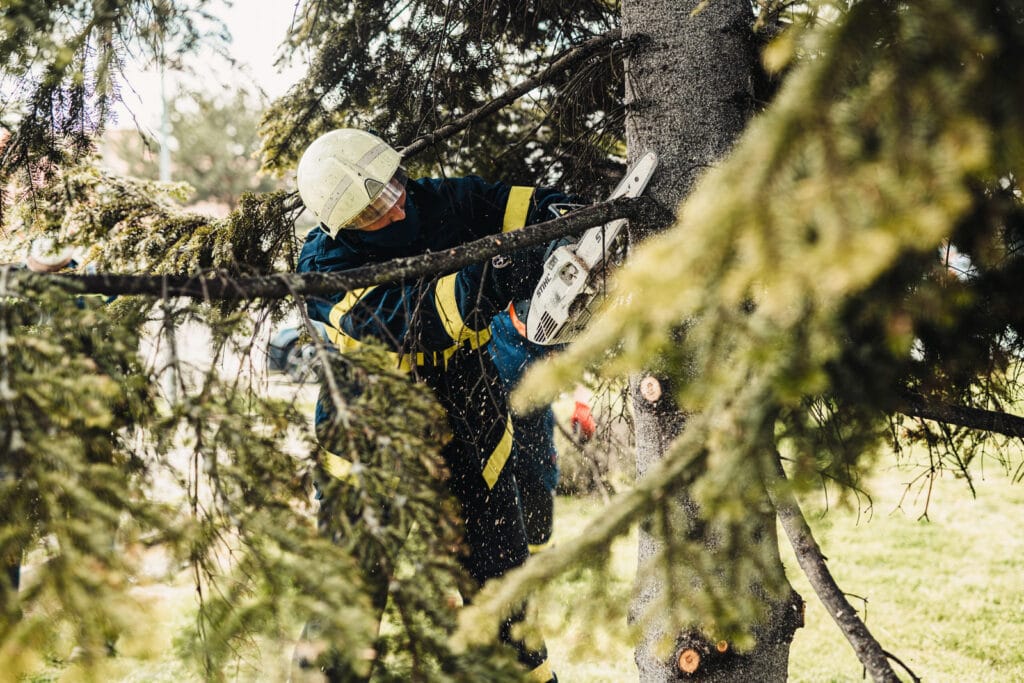
The U.S. Bureau of Labor Statistics consistently ranks tree care among the top ten most hazardous occupations in the country. Falling branches, unstable footing on ladders, chainsaws kicking back, trees falling in unintended directions these aren’t edge cases. They’re regular occurrences even for experienced crews with proper equipment.
Tree safety is a trained discipline. Professionals learn how to read a tree before cutting it tension, compression, lean, decay points. They understand how a limb will behave when it’s cut. A homeowner with a ladder and a rented saw doesn’t have that context. And that gap in knowledge is where serious injuries happen. Truth be told, most DIY tree injuries don’t involve the most dramatic scenarios. They fall from modest heights. Branches that didn’t drop the way expected. Cuts made without understanding the load on the branch. Preventable. Every time.
2. Misreading a Tree Can Kill It
This one’s slower and less obvious, but just as costly.
- Improper cuts, wrong angle, wrong location, wrong timing, don’t just leave ugly stubs. They can introduce decay into the heartwood, prevent proper wound closure, and permanently compromise the tree’s structural integrity. A tree that gets topped instead of properly pruned, for example, often develops weak, fast-growing shoots that are more vulnerable to failure than the original structure was.
- A professional arborist knows where to cut. They understand branch collar anatomy, the biology of wound response, and which cuts actually help versus which ones start a slow decline. That knowledge isn’t something picked up from a YouTube video on a Sunday afternoon. The tree doesn’t tell you immediately when something’s gone wrong. That’s the problem. A bad cut might not show consequences for a full season. By the time the damage is obvious, it’s already deep.
3. Disease and Pest Diagnosis Requires Real Training
A tree that’s losing leaves, developing unusual bark, or showing die-back in the crown isn’t just “stressed.” It might have a fungal infection. An insect infestation. A root disease. Nutrient deficiency. Girdling roots. Several of these at once. Certified tree specialists are trained to distinguish between these things. The treatments are completely different. Applying the wrong one or no treatment while the actual problem progresses is how trees that could have been saved end up as removals. DIY diagnosis from online symptom searches is genuinely unreliable here. Symptoms overlap too much. And the consequences of getting it wrong compound over time.
4. No Insurance Means All the Risk Lands on the Property Owner
This is the one people don’t think about until it’s too late. Insured tree care isn’t just a nice-to-have. It’s the thing that determines who pays when something goes wrong. If an uninsured crew damages a roof, a fence, a vehicle, or a neighbor’s property the homeowner absorbs that cost. If someone gets hurt on the property during DIY tree work, the homeowner’s liability exposure can be significant. Legitimate licensed tree expert companies carry both general liability and workers’ compensation. Ask for proof before any work starts. A reputable company will provide it without hesitation. Anyone who can’t or won’t? Walk away.
5. A Hazard Assessment Changes What You Know About Your Property
- A tree hazard assessment from a qualified arborist reveals things that aren’t visible to the untrained eye. Internal decay. Root zone damage from nearby construction. Weak branch unions hidden by foliage. Structural lean that’s developed gradually. These findings matter. A tree that looks completely healthy from the driveway might be a significant risk in a storm. One that looks rough might be structurally fine but dealing with a treatable disease.
- A professional arborist conducting a proper tree hazard assessment documents what they find. That documentation has real value for insurance purposes, for property sales, for understanding what maintenance is actually needed versus what’s optional. Let’s face it, most homeowners are guessing when it comes to which trees on their property are actually risky. A hazard assessment replaces the guessing with actual information.
6. Emergency Situations Need Professionals Fast
Storm damage doesn’t wait for convenient timing.
- Emergency tree services from licensed crews have equipment, training, and protocols for exactly the chaotic situations that follow major weather events. A large limb on a roof. A tree leaning against a power line. Root failure in a high-traffic area. These scenarios require professional response not because of bureaucracy, but because the physics of the situation are genuinely dangerous. Trying to handle post-storm tree damage without professional help is where some of the worst DIY injuries occur. Tension in downed branches releases unpredictably. Leaning trees can shift. What looks stable often isn’t.
- Emergency tree services exist precisely because these situations can’t wait and can’t be handled casually.
7. A Consultation Prevents Expensive Mistakes
A tree removal consultation with a licensed arborist often reveals that removal isn’t actually necessary. Or that it is but that other trees nearby need attention before the removal creates new exposure. That kind of assessment saves money. It prevents homeowners from paying for removal when treatment was the right call, or from removing a tree only to discover the one next to it now poses a higher risk without its windbreak neighbor.
Certified tree specialists who offer proper consultations are doing something valuable; they’re providing information. Not just service. That distinction matters when the decision involves a living thing that took decades to grow. After all, a tree removed unnecessarily is a permanent loss. Getting a second opinion from a licensed tree expert before any removal is just basic due diligence.
Frequently Asked Questions
Why should I hire a licensed arborist?
A licensed tree expert brings certified training, proper equipment, and accountability that DIY approaches can't match. They accurately diagnose disease, perform structural pruning correctly, and carry insurance that protects property owners. The cost of professional insured tree care is almost always lower than the cost of fixing what goes wrong without it.
How do I verify if an arborist is licensed?
Ask for their ISA certification number and verify it directly on the ISA website. Legitimate certified tree specialists will provide this without hesitation. Also request proof of liability insurance and workers' compensation coverage before any work begins. Any reputable company operating as a professional arborist service will have all of this ready.
What services does a licensed arborist provide?
The range is wide tree hazard assessment, structural pruning, disease diagnosis, cabling and bracing, soil treatments, emergency tree services, and tree removal consultation. Certified tree specialists also provide documentation for insurance or property purposes. It's comprehensive tree safety management, not just cutting branches.
How can I find a licensed arborist near me?
The ISA's online directory at treesaregood.org is the most reliable starting point when searching for a licensed arborist near me. Filter by location and verify certification status directly. Local reviews help confirm reputation, but always cross-check credentials independently. Don't rely solely on a website to verify the certification number before booking any work.
