A storm rolls through, and that overhanging branch nobody worried about suddenly ends up on the roof. Happens more often than people think. Almost always preventable too. Trees that look perfectly fine from the ground can be hiding weak limbs, disease, or structural issues that only show up once something actually breaks.
This post gets into why professional tree trimming services in Ottawa matter across every season, not just once a year when it’s convenient to think about it, and what homeowners should know before hiring someone with a chainsaw and a ladder. Practical stuff. Drawn from how this work actually gets done in the field.
Why Trees Need More Than Occasional Attention
Trees grow whether anyone’s paying attention or not. Ottawa’s mix of harsh winters, humid summers, and everything crammed in between puts real stress on branches year round, more than most people realize until they see the damage firsthand.
Ice storms are a particular concern around here. Ottawa’s seen its share, and even a moderate ice buildup can add serious weight to branches that were never trimmed or thinned properly. Weak limbs snap under that weight. Sometimes onto roofs. Sometimes onto cars, or worse, power lines.
Most homeowners only start thinking about tree care after something’s already gone wrong. A fallen branch. A trunk leaning further than it used to. Leaves dropping weeks earlier than expected for no obvious reason. By that point, the damage has usually already taken hold in some form, quietly, for a while.
What Professional Tree Trimming Actually Involves
Trimming isn’t just hacking off whatever looks messy from the driveway. There’s method to it, and it matters more than people assume going in.
Crown thinning removes select branches to improve airflow and cut down on weight, which lowers the risk of wind or ice damage in a meaningful way. Crown raising lifts lower branches to clear pathways, driveways, or nearby structures, particularly useful for properties close to sidewalks or roads.
Deadwooding takes out dead or dying branches before they turn into a hazard on their own. Dead limbs are usually the first to fall during storms, since they’ve already lost the flexibility live wood still has.
Structural pruning focuses on younger trees, shaping growth early so the tree develops a strong, stable form as it matures over the years. This step gets skipped a lot, honestly, but it saves considerable trouble ten or twenty years down the road when nobody’s thinking about it anymore.
Residential Tree Trimming: What Homeowners Should Know
Residential tree trimming usually centers around a handful of things. Safety around the home. Curb appeal. And the long term health of trees that took years, sometimes decades, to grow into what they are now.
Timing matters more than most homeowners realize walking into this. Late winter, before new growth kicks in, tends to be ideal for most deciduous species, since the tree hasn’t put energy into leaves yet and its structure’s easier to read clearly. Certain species, though, do better trimmed at different points in the year, which is exactly where professional input actually helps.
Proximity to the house is another factor worth thinking through carefully. Branches overhanging a roof create debris buildup in gutters, moisture retention against shingles, and an easy path for pests to reach the structure itself. Trimming back that overhang solves several problems at once, not just the one obvious eyesore.
A well kept yard tends to pair naturally with other outdoor upkeep too. Homeowners investing in professional tree care often end up bundling it with lawn services Ottawa companies provide, since both contribute to the same overall goal really, a property that looks cared for and holds its value over time.
Commercial Tree Trimming: Different Scale, Different Priorities
Commercial tree trimming shares the same fundamentals but runs under a different set of pressures altogether. Liability. Scheduling around business hours. Larger scale properties that shift how the work gets planned and carried out from start to finish.
Businesses face real liability exposure from neglected trees, more than owners often think about until it’s too late. A branch falling on a customer’s vehicle, or worse, blocking emergency access during a storm, creates problems that go well beyond aesthetics. Regular trimming schedules cut this risk considerably, and plenty of commercial insurance policies actually factor tree maintenance into their risk assessments now.
Scheduling tends to be more complex too. Work often happens during off hours or gets broken into phases to avoid disrupting customers, employees, or foot traffic, something residential jobs rarely have to account for in quite the same way.
Seasonal Considerations for Ottawa Properties
Spring calls for inspecting whatever winter left behind. Broken or weakened branches from snow and ice loads need addressing before they turn into a summer storm hazard once leaves fill back in and add extra weight to already stressed limbs.
Summer’s mostly about monitoring growth and catching branches encroaching on structures, power lines, or walkways as trees fill out fully for the season. Fast growing species especially need a check in around this stretch of the year.
Fall’s prime trimming season for a lot of species, done before leaves drop and while structure remains visible without the active stress of the growing season working against it. Deadwood removal fits naturally into this window too.
Winter, particularly the late stretch of it, suits dormant pruning for many deciduous trees. Less stress on the tree overall, easier visibility of branch structure, and everything’s in place ahead of spring’s new growth phase kicking in.
The Value of Hiring Professionals
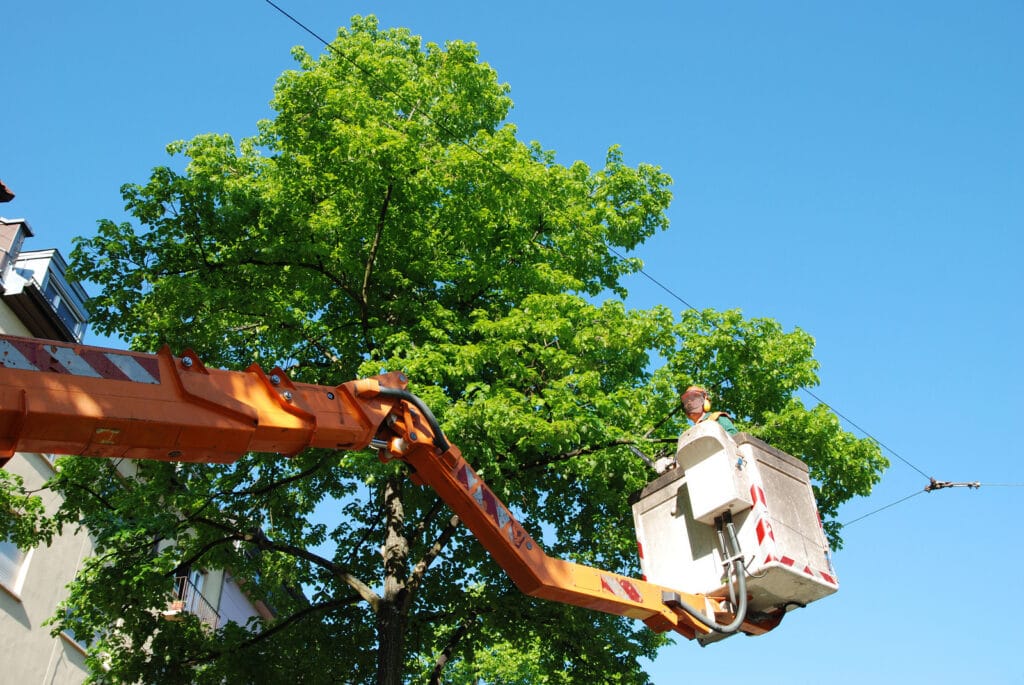
Climbing a ladder with a chainsaw might feel doable for a smaller job here and there, but larger trees or branches near power lines call for real expertise and proper equipment. Not improvisation. Not guesswork.
Industry data suggests improperly trimmed or neglected trees account for a meaningful share of storm related property damage claims each year, often traced back to weak limb attachments or overgrown branches that could’ve been addressed ahead of time with routine maintenance nobody got around to.
Certified arborists bring knowledge of tree biology, disease identification, and proper cutting technique that protects both the tree’s long term health and the property sitting around it. A bad cut doesn’t just look wrong. It can invite disease or structural weakness that only shows up years down the line.
Getting a professional assessment before problems escalate tends to cost far less than emergency removal or storm damage repair after the fact. Prevention wins out here almost every time, even if it doesn’t feel urgent at the moment.
Frequently Asked Questions
How often should professional tree trimming be scheduled in Ottawa?
Every 2 to 3 years works for most trees, though younger or fast growing ones might need more frequent check-ins. Anything near power lines or the house itself is worth inspecting yearly, regardless of the actual trimming schedule.
What is the best season for residential tree trimming in Ottawa?
Late winter, generally, since most deciduous trees are dormant and the branch structure's easy to see clearly then. A few species prefer fall instead, so it's worth asking a professional before assuming one timing fits every tree.
Why does commercial tree trimming require different planning than residential work?
Mostly liability and scheduling around business hours. Commercial properties can't just shut down for an afternoon, and larger lots usually need work broken into phases. Residential jobs rarely deal with that level of coordination or added risk exposure.
Can neglected tree trimming actually cause property damage?
Definitely, and more often than people expect. Weak or overgrown branches break easily during storms, ice buildup, or strong wind, sometimes landing on roofs, cars, or power lines. Staying on a regular trimming schedule cuts that risk down significantly.
