A branch hangs over the roof. Another scrapes the siding every time the wind picks up. Most homeowners notice, shrug and put it off until a storm makes the decision for them. Ottawa winters are rough on trees, with ice, heavy snow and sudden gusts, so a little planning goes a long way. Tree trimming services Ottawa residents can trust do more than tidy up the look of a yard. Done right, trimming protects the house, keeps the tree healthy and lowers the odds of an expensive surprise. This post covers the real benefits, when trimming should happen, which warning signs matter, and how to pick a company without second guessing it later.
What Are the Benefits of Professional Tree Trimming?
Short answer: safety, tree health, and fewer costly problems down the road. Each one deserves a closer look.
Safety comes first. Dead or weak branches can drop without warning, and an ice storm makes that worse. A branch that looks harmless in July can be a real hazard in January once it is loaded with ice. Removing deadwood and weak limbs before winter lowers the risk to people, cars and roofs.
Tree health is next. Proper cuts help the tree close its wounds and stay strong. Bad cuts do the opposite. Flush cuts, topping and stripping too much of the crown can invite decay and leave the tree weaker than before. Professional tree trimming services follow accepted pruning practice, which aims to cut at the right spot and remove only what the tree can afford to lose.
Property protection matters too. Branches that rub against roofing, siding or gutters cause slow, steady damage. Limbs near power lines are a different story. Utility line clearance is work for qualified crews, not a ladder and a handsaw. Let’s face it, nobody wants to be the person who found out why.
Then there is the look and the light. Thinning a dense crown lets sunlight through to the lawn and garden, and it improves airflow. A well shaped tree simply looks better, and mature trees can add real value to a property.
When Should Trees Be Trimmed in Ottawa?
For most trees, late fall through winter, while the tree is dormant, is the best window. With the leaves gone, the structure is easy to see, cuts heal well once growth restarts, and pests are less active. Ground that is frozen also holds heavy equipment better and leaves less damage to the lawn.
There are exceptions. Oaks are the big ones. In Ontario, oak trees are generally best left alone during the warm growing season, since pruning wounds can attract insects that spread oak wilt. Many arborists avoid oak work from spring through summer unless it is an emergency. Some spring flowering trees, such as lilacs and magnolias, bloom on old wood, so trimming right after the flowers fade protects next year’s show. Dead, broken or hazardous branches should come off any time of year.
Birds matter as well. Active nests are protected, so trimming during nesting season may need extra care or a delay. A good contractor will ask about it.
Truth be told, the real answer depends on the species. A proper assessment settles it.
Signs Your Trees Need Professional Trimming
Some signs are obvious. Others are easy to miss until a branch lands on the driveway.
- Dead or dying branches. No leaves in summer, brittle bark or a gray, lifeless look all point to deadwood.
- Branches near the house or roof. Anything touching the building or hanging over it deserves attention before the next storm.
- Limbs close to power lines. Do not touch these. Call the utility or a qualified crew.
- Cracks, splits or weak forks. A V shaped union between two stems can split under load, especially when wet or iced over.
- Crossing or rubbing branches. These wear each other down and create open wounds.
- Heavy, dense growth. A crown so thick that light barely passes through can trap moisture and slow healthy growth.
- Fungus, cavities or oozing sap. Mushrooms at the base or hollow spots in the trunk can signal internal decay and call for an expert opinion, not just a trim.
Trimming, Pruning and Removal: What Is the Difference?
The words overlap, and companies use them loosely. Trimming usually means shaping and tidying, such as cutting back branches for clearance or appearance. Pruning tends to focus on tree health, taking out dead, diseased or weak parts. Tree pruning services Ottawa homeowners book often cover both. Removal is the full takedown of a tree that is dead, dangerous or beyond saving. A good arborist helps work out which one the situation really calls for.
DIY or Professional?
Light work from the ground is fine for most people. A small shrub, a low branch at arm height, a bit of hedge. That is a weekend job.
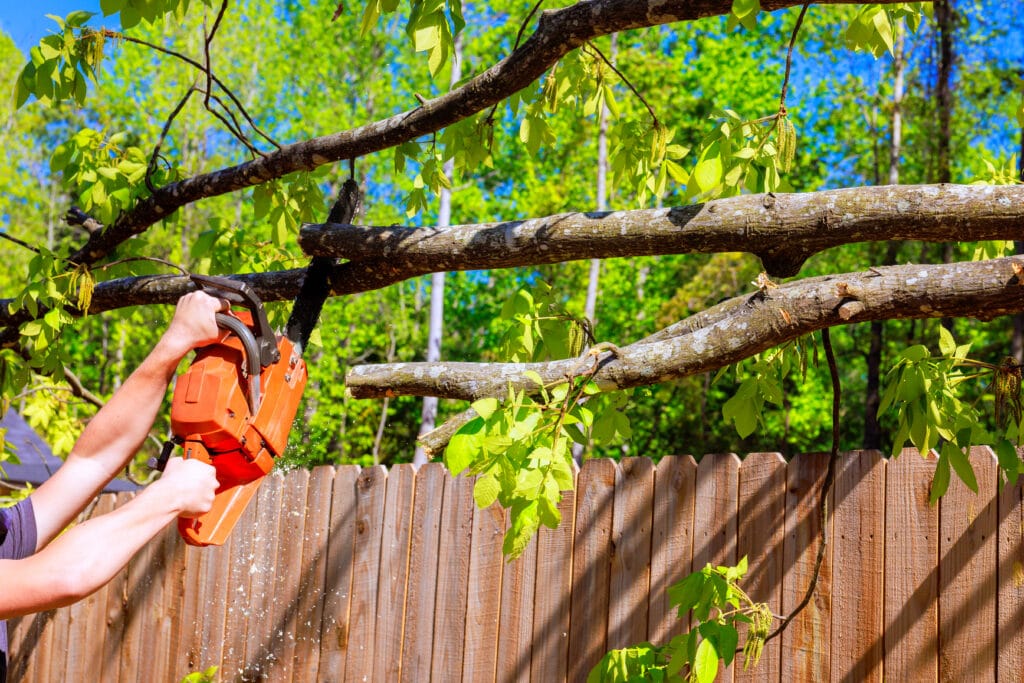
Anything with a ladder, a chainsaw above shoulder height or a branch near a power line is where things go wrong. Falls and cuts are a real risk, and a heavy limb can swing in ways that are hard to predict. Big cuts made the wrong way also leave the tree worse off. Pros bring climbing gear, rigging, proper equipment and training, plus insurance if something goes wrong.
Ottawa has rules about trees too. The City of Ottawa has bylaws that protect certain trees, especially larger ones and those on city property, and some work may need a permit or approval. Checking before cutting can save a fine and a headache. A professional crew normally knows what applies.
How to Choose a Tree Trimming Company
Look for proof, not promises.
Ask about info. An ISA certified arborist has passed an exam through the International Society of Arboriculture. It is not a guarantee of quality, but it is a useful sign of training.
Confirm insurance. Ask for proof of liability insurance, and ask about WSIB coverage or a valid clearance certificate. Without it, an injury on the property can become the homeowner’s problem.
Beware of topping. If a company suggests chopping the top off a tree, walk away. It is widely considered poor practice.
What About Cost?
Pricing varies with tree size, height, access, condition, the amount of work and the season, so quoting a number here would be guesswork. A small ornamental tree in an open yard costs far less to trim than a tall maple crowding a roofline. Hard to reach backyards and work near power lines add time and equipment. The best step is an on site estimate with a written quote that spells out what is included.
Trimming is one of those jobs that is cheaper and safer when done early. The benefits show up in fewer storm surprises, healthier trees and a property that feels better to be in. The right time depends on the species, though late fall through winter works for most trees. Watch for the warning signs, ask the right questions and choose a company that explains the work clearly.
FAQs:
When should trees be trimmed in Ottawa?
Most trees are best trimmed in late fall through winter while dormant, when structure is easy to see and cuts heal well. Oaks should generally be left alone during the growing season to avoid oak wilt. Spring flowering trees do better after blooming. Dead or hazardous branches can come off any time.
What are the signs your trees need professional trimming?
Common signs include dead or brittle branches, limbs touching the roof or power lines, cracks or weak forks, crossing branches, very dense growth, fungus or cavities, and a noticeable lean. A tree that looks different after a storm should be checked quickly. When in doubt, a certified arborist can assess it.
How much does professional tree trimming cost in Ottawa?
Cost depends on tree size, height, access, the amount of work and the season. Work near power lines or on large, mature trees costs more. Because no two trees are alike, an on site estimate is the most reliable guide. Always ask for a written quote that covers cleanup.
Do I need a permit to trim a tree in Ottawa?
Routine trimming of your own tree usually does not, but the City of Ottawa has bylaws that protect certain trees, especially larger ones and those on city property. Rules can change, so check with the city or ask a qualified contractor before cutting anything significant.
