Timing is much more crucial for trees than what most property owners believe before starting the project. Trim the tree at an inappropriate time, and even healthy trees can become stressed, prone to diseases or take longer to heal than they would normally do. Trim the tree at the appropriate time and use the appropriate trimming techniques, and a healthy tree will become healthier and will have a better structure when the growing season begins again. There are special timing aspects when it comes to tree trimming in Ottawa, Ontario, which is determined by the climate of the region.
This post covers when trimming actually makes sense throughout the year, why professional technique matters so much, and what happens when trees go without proper care for too long.
Why Timing Matters So Much for Tree Health
However, the effects of pruning on trees will depend on their stage of growth. For instance, cutting at a stage when the trees are still growing and when there is flow of sap in the early spring might be more stressful on the tree than pruning at a dormant period when the tree’s energies are not being channeled towards growth.
There are also diseases that are likely to spread at certain times of the year. Dutch elm disease, for instance, spreads with greater ease at a time when elm trees are pruned during warm seasons where the beetle that carries the disease is active. This is something that professional pruning in Ottawa takes into consideration.
Truth be told, a lot of DIY tree trimming happens whenever it’s convenient for the homeowner rather than when it’s actually best for the tree, and this mismatch is responsible for more tree stress and disease susceptibility than people realize when they’re just trying to tidy up the yard on a free Saturday.
The Best Times of Year for Tree Trimming in Ottawa, Ontario
Late winter, typically February through early March, works well for most deciduous species. Trees are still dormant, energy reserves are stored rather than actively being used for growth, and the lack of leaves makes it easier to see the tree’s actual structure clearly, spotting issues that get hidden behind foliage the rest of the year.
Early spring, right before new growth begins, suits certain species better, though this window requires more precise timing to avoid the heavy sap flow period that makes cuts messier and potentially more stressful for specific trees like maples and birches.
Summer trimming generally focuses on minor corrective work and removing dead or damaged branches rather than major structural pruning, since the tree’s actively using energy for growth and leaf production during this period, making it a less ideal time for extensive cuts.
Even autumn has certain hazards. Pruning right near the winter period can trigger new growth which will not be able to harden up in time before the arrival of colder temperatures, thus remaining susceptible to frost. It is common practice among professional pruners in Ottawa to do no extensive work on trees in late autumn due to this very reason.
The Importance of Professional Skill Not Only in Timing
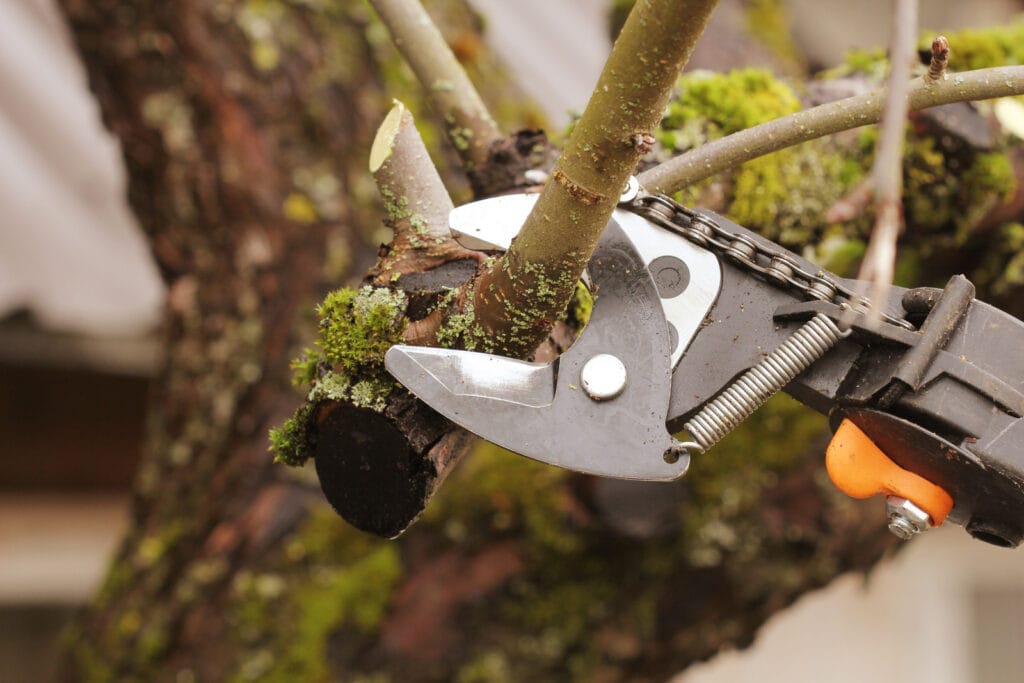
All professional pruning cuts are made at particular points in relation to the branch collar, the slightly larger area near the base of a branch. Making such cuts too close will cause injury to the branch collar and delay its healing process. Cutting back too far results in the formation of a stub, prone to decay.
Professional tree trimming considers the tree’s overall structure too, not just removing whatever branch looks problematic in isolation. Removing the wrong branch, or too many branches at once, can destabilize a tree’s structure or trigger a stress response affecting overall health for seasons afterward.
Understanding load distribution matters for larger trees especially. Improper pruning can shift weight distribution in ways that actually increase storm damage risk rather than reducing it, which defeats the entire purpose of trimming for safety in the first place.
Signs a Tree Needs Professional Attention
Dead or dying branches within the canopy are one of the clearest signs of trimming’s overdue. These branches pose safety risks during storms and can also serve as entry points for disease or pests affecting the rest of an otherwise healthy tree.
Branches growing into structures, power lines, or overhanging walkways and driveways need addressing before they cause damage or create liability issues, particularly relevant for larger, mature trees where branch weight and reach can be substantial.
Crossing or rubbing branches within the canopy create wounds where the bark’s damaged by constant friction, and these wounds become entry points for disease over time if left unaddressed through proper corrective pruning.
Overall canopy density that’s become too thick blocks light and airflow, which can promote fungal issues and reduce the health of both the tree itself and anything growing beneath it that depends on adequate light reaching through the canopy.
What Happens When Trees Go Without Care
According to industrial information, trees which are maintained professionally on a regular basis suffer much less storm-related damage than those which have never been trimmed or assessed in their entire lifetime. Poor branch unions, heavy canopies, and diseases are just some of the factors which can build up over the years to increase chances of storm damage.
Neglected trees also tend to develop structural issues that become progressively more expensive and complicated to address the longer they’re left unaddressed. What might have been a straightforward corrective pruning job several years earlier can turn into a much more involved, costly intervention once problems have had years to develop and compound.
Choosing a Professional for the Job
Verifying certification and experience specifically with the tree species and issue at hand matters considerably, given how much proper technique depends on genuine understanding of tree biology rather than just general landscaping comfort with a chainsaw.
Asking about timing recommendations for the specific trees involved reveals a lot about a provider’s actual expertise too. A knowledgeable professional discusses seasonal considerations specific to the tree species on the property, rather than offering a generic answer that doesn’t account for these important variables.
Making Tree Care a Priority
Proper tree pruning by experts, done at the correct time using the correct technique, ensures protection of both the health of the tree as well as property safety, which cannot be guaranteed through DIY pruning or pruning done at the wrong time. Recognizing the appropriate time for tree pruning will enable the homeowners in Ottawa to make better decisions regarding their tree.
Frequently Asked Questions
What is the best time of year for tree trimming in Ottawa, Ontario?
Late winter, typically February through early March, works best for most deciduous species since trees are dormant and structure is easy to see. Certain species have specific timing considerations, so consulting a professional helps determine the ideal window for particular trees.
Why does professional tree pruning in Ottawa matter more than DIY trimming?
Professional technique considers branch collar placement, overall tree structure, and species specific timing to avoid stress or disease susceptibility. Improper cuts can damage healing ability or destabilize tree structure, sometimes causing more harm than leaving the tree untrimmed entirely.
How often should professional tree trimming happen for residential trees?
Most trees benefit from trimming every 2 to 3 years, though younger or fast growing trees may need more frequent attention. Trees near structures or showing signs of dead branches or disease should be assessed sooner regardless of the typical schedule.
What happens if trees don't receive regular professional trimming?
Neglected trees accumulate weak branch unions, excessive canopy weight, and undetected disease over time, significantly increasing storm damage risk. Issues also become more complicated and costly to address the longer they're left unaddressed compared to regular, proactive maintenance.
